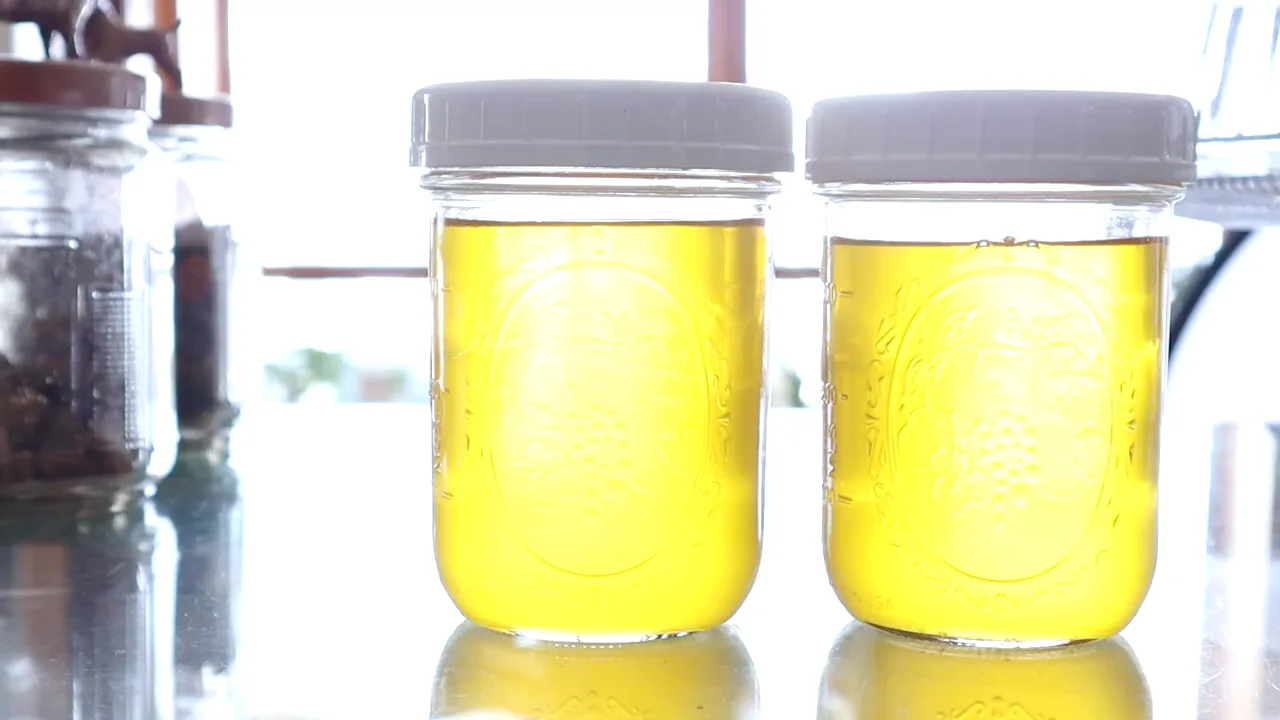
Ghee Benefits: Why This Clarified Butter is Perfect for Dairy Sensitivity
Imagine the rich, golden flavor of butter, but without the worry of dairy sensitivities or a low smoke point that limits your cooking adventures. This isn't a culinary fantasy; it's the reality of ghee, often hailed as "liquid gold" in kitchens worldwide. For those who suspect a sensitivity to traditional dairy but refuse to compromise on taste, or for anyone seeking a healthier, more versatile cooking fat, ghee offers a compelling solution. While its store-bought price tag can be daunting, the good news is that crafting your own is incredibly simple and immensely rewarding.
This article delves into the transformative world of ghee, exploring its unique benefits, especially for those navigating dairy sensitivities. Most importantly, we'll provide a comprehensive guide on
how to make ghee right in your own kitchen, empowering you to unlock its full potential.
What Exactly is Ghee? The Golden Elixir Explained
At its heart, ghee is a form of highly clarified butter. The process involves gently simmering butter to separate and remove the milk solids (proteins and sugars) and water content, leaving behind pure butterfat. This seemingly simple transformation yields a product with distinct advantages over regular butter:
*
A Dairy-Friendly Alternative: This is perhaps the most celebrated benefit for many. Traditional butter contains milk solids, primarily casein (a protein) and lactose (a sugar), which are common culprits behind dairy sensitivities. During the ghee-making process, these solids are carefully skimmed off and filtered out. What remains is largely pure butterfat, making ghee typically well-tolerated by individuals with mild lactose intolerance or sensitivities to casein and whey proteins. It's important to note that while ghee is very low in these components, individuals with severe dairy allergies should always consult a medical professional before incorporating it into their diet.
*
Exceptional High-Heat Cooking: Anyone who's tried to sear a steak with butter knows the frustration of it burning quickly. This is due to the milk solids present in regular butter, which scorch easily at lower temperatures. By removing these solids, ghee's smoke point skyrockets from around 350°F (177°C) to an impressive 450-480°F (232-250°C). This makes it an ideal fat for high-heat cooking methods like sautéing, roasting, frying, and searing, without fear of charring or developing bitter flavors. For a deeper dive into how this compares to other cooking fats, read our companion article:
Ghee vs. Butter: High Smoke Point Cooking and Dairy Sensitivity Explained.
*
Rich, Nutty Flavor Profile: While clarified butter (where milk solids are simply removed) offers a neutral taste, true ghee takes it a step further. It's cooked slightly longer, allowing the milk solids at the bottom of the pan to gently brown, imparting a distinctive nutty, caramel, or butterscotch-like aroma and flavor to the finished product. This deep, rich taste enhances everything it touches.
*
Longer Shelf Life: With its water content removed, ghee is less prone to spoilage than regular butter. It can typically be stored at room temperature for several months in an airtight container, making it a convenient pantry staple.
Why Embrace Homemade Ghee? More Than Just Savings
While the benefits of ghee are clear, the allure of making it yourself extends beyond just the product itself. There are several compelling reasons to embark on this simple culinary journey:
*
Cost-Effectiveness: A quick glance at the price tag of store-bought ghee can be eye-watering. Often, a small jar costs several times more than a pound of high-quality butter. By making it at home, you can produce a significant amount of ghee for a fraction of the price, maximizing your budget without sacrificing quality.
*
Quality Control: When you make your own ghee, you have complete control over the primary ingredient: the butter. Opting for high-quality, unsalted, grass-fed butter not only ensures a superior flavor but also potentially richer nutritional benefits, including fat-soluble vitamins (A, D, E, K) and beneficial fatty acids like Conjugated Linoleic Acid (CLA).
*
Customization: Do you prefer a subtle, delicate ghee, or one with a pronounced nutty aroma? When you make it yourself, you control the browning process, allowing you to tailor the flavor profile to your personal preference.
*
Freshness and Satisfaction: There's an undeniable satisfaction in creating your own pantry staples. Knowing exactly what goes into your food and enjoying the fresh aroma and taste of newly made ghee adds an extra layer of enjoyment to your cooking.
How to Make Ghee at Home: A Step-by-Step Guide
Making ghee is a surprisingly straightforward process that requires patience more than skill. Here's a detailed guide to help you create your own golden elixir:
Ingredients & Equipment:
- Butter: Start with 1-2 pounds of high-quality, unsalted butter. Grass-fed butter is highly recommended for its superior flavor and potential nutritional profile. Avoid salted butter if possible, as the salt can interfere with the clarification process and result in a less pure taste.
- Heavy-Bottomed Saucepan: A heavy bottom ensures even heat distribution and prevents scorching.
- Fine-Mesh Sieve: For initial straining.
- Cheesecloth, Butter Muslin, Paper Towel, or Coffee Filter: For final straining to remove the finest milk solids.
- Heat-Proof Jar(s) with Lid: For storage.
The Process:
- Prepare the Butter: Cut your butter into roughly 1-inch pieces. This helps it melt more quickly and evenly. Place the butter into your heavy-bottomed saucepan.
- Melt Over Medium-Low Heat: Place the saucepan on the stove over medium-low heat. The key here is *gentle* heat. You don't want the butter to sizzle or brown initially, just to melt slowly. As it melts, it will begin to bubble and separate.
- Observe the Stages:
- Stage 1 - Foaming: Once melted, the butter will start to foam vigorously at the surface. This is the water evaporating and some of the milk solids (whey) rising.
- Stage 2 - Clearing & Settling: As the water continues to evaporate, the foaming will subside slightly, and the butter will start to appear clearer. You'll notice milky white solids beginning to sink to the bottom of the pan.
- Skim the Foam (Optional for Clarified Butter): For traditional ghee, you can gently skim off the white foam that rises to the top. While some prefer to leave it to contribute to the browning process for flavor, removing it can result in a cleaner end product. You can compost this foam or, if you don't have dairy sensitivities, add it to mashed potatoes for extra richness!
- Simmer to Golden Perfection: Continue simmering the butter over medium-low heat. The butter will become increasingly clear, and the milk solids at the bottom will start to turn golden brown. This is the crucial stage for developing ghee's characteristic nutty, toffee-like flavor.
- Clarified Butter vs. Ghee: If you stop cooking when the butter is perfectly clear and the solids are just beginning to collect at the bottom (but not yet browned), you've made clarified butter. To make true ghee, continue cooking *just* until those solids at the bottom turn a light to medium golden brown and you detect a distinctly nutty aroma.
- Warning: Watch carefully! The transition from golden brown to burnt happens quickly. Burnt milk solids will impart a bitter flavor to your ghee. If this happens, it's best to discard and start over.
- Cool Slightly: Once the milk solids are a beautiful golden brown and the ghee is aromatic, remove the pan from the heat. Let it cool for about 10-15 minutes. This allows any remaining solids to settle further and makes it safer to handle.
- Strain the Ghee: Carefully pour the slightly cooled ghee through your fine-mesh sieve lined with cheesecloth, butter muslin, a paper towel, or a coffee filter into your clean, heat-proof jar. This step is critical for removing all the remaining milk solids, ensuring a pure, shelf-stable product. Be careful not to disturb the browned solids at the very bottom of the pan too much, as they are not meant to be consumed with the ghee.
- Store: Once completely cool and solidified, cover the jar tightly. Strained ghee can be stored at room temperature in a cool, dark place for several months. If you prefer, or if you didn't strain it perfectly, you can also store it in the refrigerator, where it will solidify and last even longer.
Beyond the Basics: Tips for Perfect Ghee & Creative Uses
To ensure your ghee-making experience is always a success, keep these tips in mind:
*
Patience is Key: Don't rush the process by increasing the heat. Slow and steady wins the race when it comes to perfect ghee.
*
Use Your Senses: Listen for the bubbling sound to quiet down (indicating water evaporation), look for clarity, and smell for the nutty aroma as the solids brown.
*
Don't Stir Excessively: Let the butter do its work. Stirring too much can reincorporate solids that are trying to settle.
*
Batch Size: Starting with 1-2 pounds of butter is a good size for beginners. It's enough to yield a decent amount of ghee without being overwhelming.
Once you have your homemade ghee, the culinary possibilities are endless:
*
High-Heat Cooking: Use it for searing steaks, pan-frying chicken or fish, roasting vegetables (carrots, potatoes, brussels sprouts), or sautéing onions and garlic.
*
Flavor Enhancer: Drizzle over steamed vegetables, stir into rice or quinoa, or spread on toast for a buttery, nutty kick.
*
Baking: Replace butter in certain recipes for a richer, more complex flavor, especially in cookies or pastries where a pronounced butterscotch note is desired.
*
Traditional Indian Cuisine: Ghee is a staple in Indian cooking, perfect for making dals, curries, and lentil dishes.
*
Morning Boost: Add a spoonful to your coffee for a "bulletproof" style beverage, providing sustained energy.
*
Popcorn: Drizzle melted ghee over freshly popped popcorn for an irresistible movie snack.
Conclusion
Ghee is more than just a cooking fat; it's a testament to how simple culinary techniques can transform everyday ingredients into something extraordinary. Whether you're seeking a delicious solution for dairy sensitivities, a high-performance oil for your culinary endeavors, or simply the satisfaction of creating a valuable pantry staple from scratch, making ghee at home is an incredibly rewarding venture. So, grab your butter, set aside some time, and discover the golden benefits of homemade ghee – a true culinary gem awaiting its place in your kitchen.