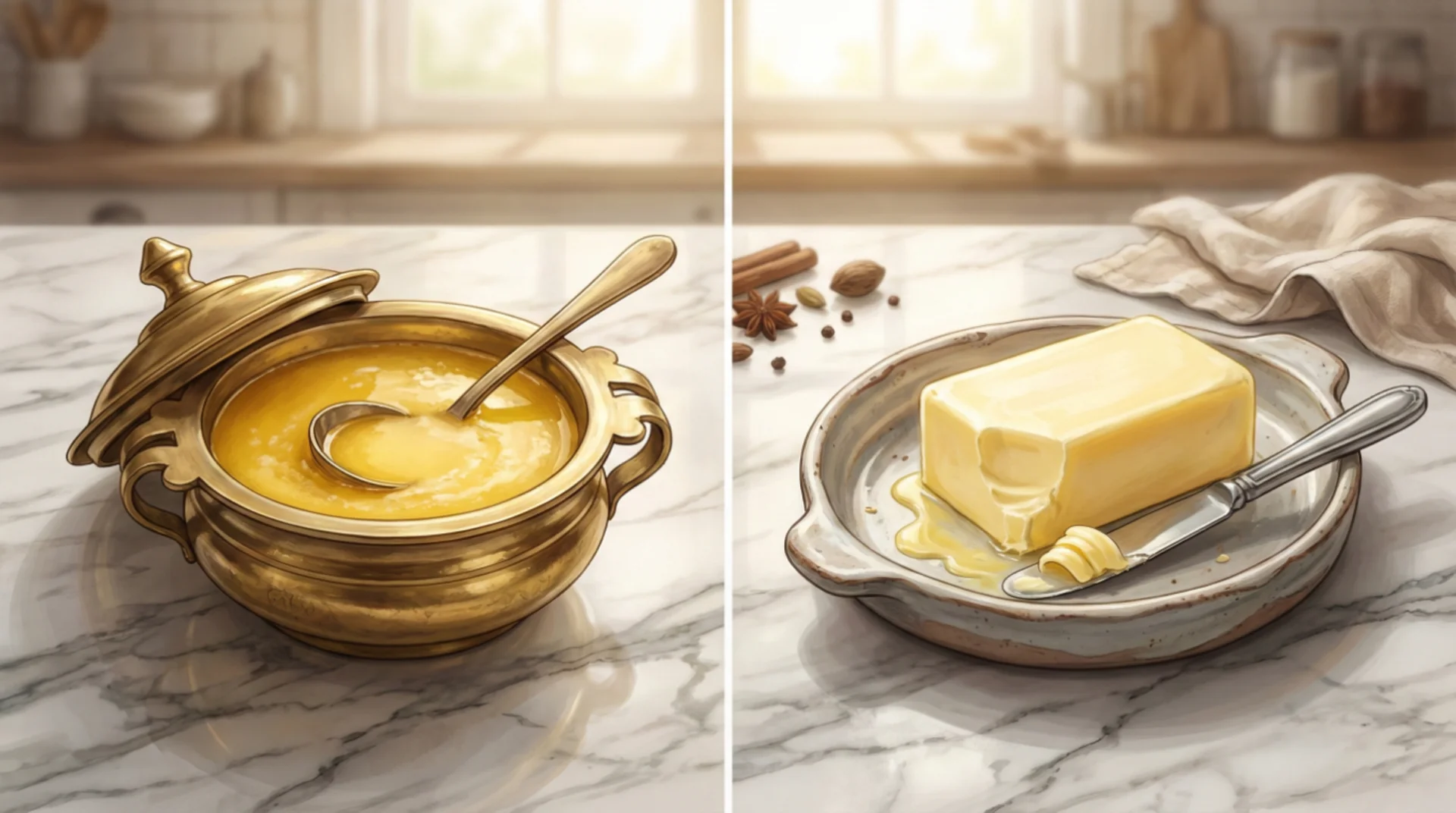
Unlock the Golden Standard: Ghee vs. Butter for High Heat & Dairy Sensitivity
For centuries, butter has been a beloved staple in kitchens worldwide, prized for its rich flavor and versatility. However, many home cooks encounter two common challenges: butter’s tendency to burn at high temperatures and its impact on individuals with dairy sensitivities. Enter ghee, a traditional clarified butter that not only solves these dilemmas but elevates your cooking to new heights. If you've ever cringed at the price tag of store-bought ghee or simply wondered what makes it so special, you're in the right place. We're about to explore the transformative power of ghee and, crucially, teach you exactly
how to make ghee at home.
What is Ghee and Why is it a Culinary Game-Changer?
To truly appreciate ghee, it helps to understand what butter is made of. Conventional butter is composed of milk fat, water, and milk solids (which include proteins like casein and whey, and the sugar lactose). While delicious, these milk solids and water are responsible for butter's limitations.
Ghee, often referred to as "liquid gold," is essentially butter that has undergone a gentle simmering process to remove these components. The butter is slowly heated, allowing the water to evaporate and the milk solids to separate and eventually caramelize at the bottom of the pan. Once strained, what remains is pure butter oil – a product with distinct advantages over its predecessor.
The most significant benefit for cooking is ghee's dramatically higher smoke point. Butter typically has a smoke point of around 302-350°F (150-177°C). Beyond this temperature, butter begins to burn, developing a bitter, unpleasant taste and potentially releasing harmful free radicals. Ghee, with its milk solids and water removed, boasts an impressive smoke point of 450-485°F (232-252°C). This makes it an ideal fat for high-heat cooking methods such as searing, sautéing, roasting, and even deep-frying, allowing you to achieve beautiful browning without the fear of burning.
Beyond its culinary prowess, ghee also offers a welcome solution for those with slight dairy sensitivities. The casein and whey proteins, along with most of the lactose sugar, are carefully removed during the clarification process. This makes ghee a dairy-friendly alternative for many who experience discomfort from conventional butter but still wish to enjoy that luxurious butter flavor. For a deeper dive into these benefits, explore our article on
Ghee Benefits: Why This Clarified Butter is Perfect for Dairy Sensitivity.
The Rich Flavor Profile and Versatility of Ghee
The process of making ghee doesn't just increase its smoke point; it also develops a unique and exquisite flavor profile. As the milk solids gently brown at the bottom of the pan during ghee production, they undergo a Maillard reaction, contributing nutty, caramelized, and even butterscotch-like notes to the final product. This richness adds a depth of flavor that is truly unparalleled and can elevate everything from a simple breakfast scramble to complex curries.
Ghee is a staple in Indian cuisine and is gaining popularity in Western diets due to its versatility and dietary benefits. It fits perfectly into Paleo, Whole30, and ketogenic lifestyles, as it’s primarily pure fat with minimal lactose and casein. You can use ghee in virtually any application where you’d use butter or other cooking oils:
*
Sautéing and Stir-Frying: Its high smoke point makes it perfect for quickly cooking vegetables, proteins, and stir-fries without burning.
*
Roasting: Drizzle over vegetables or meats before roasting for a golden, crispy exterior and rich flavor.
*
Searing: Achieve a perfect crust on steaks, chicken, or fish.
*
Baking: Substitute for butter in some recipes to impart a unique flavor.
*
Popcorn: A fantastic alternative to butter, adding a gourmet touch to your movie night snack.
*
Bulletproof Coffee: A popular addition for those following keto or intermittent fasting.
The best part? You don't need to pay premium prices for store-bought ghee. With a little time and quality ingredients, you can learn
how to make ghee yourself and enjoy all its advantages for a fraction of the cost.
How to Make Ghee at Home: A Step-by-Step Guide to Golden Goodness
Making your own ghee is a surprisingly simple and rewarding process. The key is patience and a watchful eye. Here’s a detailed guide to help you create your own batch of liquid gold.
What You'll Need:
* High-quality unsalted butter (grass-fed and organic is often recommended for best flavor and nutritional profile)
* A heavy-bottomed saucepan or pot
* Fine-mesh sieve or colander
* Cheesecloth, butter muslin, coffee filter, or a clean tea towel
* Heat-proof jar or container for storage
The Process:
- Prepare Your Butter: Start with 1-2 pounds of high-quality unsalted butter. While salted butter can work, unsalted gives you more control over the final flavor. Cut the butter into smaller pieces to help it melt more evenly and quickly.
- Melt Over Medium-Low Heat: Place the butter in your heavy-bottomed saucepan. Turn the heat to medium-low. This slow and gentle heat is crucial to prevent scorching the milk solids. As the butter melts, it will begin to bubble and separate.
- Simmer and Skim the Whey: As the butter melts completely, it will begin to simmer. You'll notice a foamy layer forming on the surface – this is primarily the whey protein. Gently skim this foam off with a spoon. You can discard it, compost it, or, if you don't have dairy sensitivities, add it to things like mashed potatoes for extra richness.
- Clarify the Butter: Continue to cook the butter over medium-low heat. The butter will turn clear, and you'll see milk solids beginning to sink to the bottom of the pan. At this point, you've essentially made clarified butter. You could stop here if you wish, but to make true ghee, we continue.
- Brown the Milk Solids for Ghee: This is the step that defines ghee and imparts its characteristic nutty, caramel flavor. Continue simmering until the milk solids at the bottom of the pan turn golden brown. Watch carefully! You want them browned, not burnt. The butter on top will become a beautiful clear, golden color, and the bubbling will quiet down. This browning process is where much of the magic happens, developing those delicious toffee notes.
- Cool and Strain: Once the milk solids are perfectly browned, remove the pan from the heat. Allow the ghee to cool for a few minutes. This prevents it from being too hot for straining. Line your fine-mesh sieve or colander with several layers of cheesecloth, a coffee filter, or a clean tea towel. Carefully pour the slightly cooled ghee through the prepared strainer into your clean, heat-proof jar. This crucial step removes all the remaining milk solids, ensuring a pure, shelf-stable product.
- Store Your Ghee: Once strained, allow the ghee to cool completely to room temperature before covering it with an airtight lid. Ghee, when properly strained, can be stored at room temperature in a cool, dark place for several months, just like coconut oil. If you didn't strain it meticulously or prefer extra longevity, refrigeration is also an option.
For an even more in-depth visual guide and troubleshooting tips, be sure to check out our
Homemade Ghee Guide: Unlock Dairy-Friendly Flavor & High Heat Cooking.
Insider Tips for Perfect Ghee and Creative Applications
Achieving perfect homemade ghee is simple, but a few pro tips can make all the difference:
*
Low and Slow is Key: Never rush the process by increasing the heat. Burnt milk solids will ruin the flavor of your ghee. Patience is a virtue here.
*
Don't Stir Excessively: Once the butter is melted, avoid constant stirring. Let the butter do its work of separating and clarifying on its own.
*
Listen and Look: The sound of the butter will change. Initially, it will sizzle vigorously as water evaporates. As it clarifies and the milk solids brown, the bubbling will diminish, and the sound will become much quieter.
*
The Best Butter Matters: Starting with high-quality, grass-fed butter will yield superior-tasting ghee. It often has a richer yellow color and a more complex flavor.
*
Proper Straining for Shelf Stability: Ensure your straining material is fine enough to catch all particles. Any remaining milk solids can reduce the shelf life of your ghee.
Once you have your homemade ghee, the culinary possibilities are endless. Beyond the uses mentioned earlier, try spreading it on toast instead of butter for a richer taste, using it as the fat base for Indian dals or curries, or even adding a spoonful to roasted sweet potatoes. Its unique flavor and high smoke point make it an indispensable ingredient for any adventurous cook.
Conclusion
Ghee is much more than just clarified butter; it's a versatile, flavor-packed ingredient that offers significant advantages over conventional butter, especially for high-heat cooking and those navigating dairy sensitivities. By mastering
how to make ghee at home, you not only save money but gain a deeper appreciation for this ancient superfood. So, grab some quality butter, set aside a little time, and embark on your journey to create your own golden ghee. Your taste buds, and potentially your digestive system, will thank you!